Understanding the Dangers of Tick
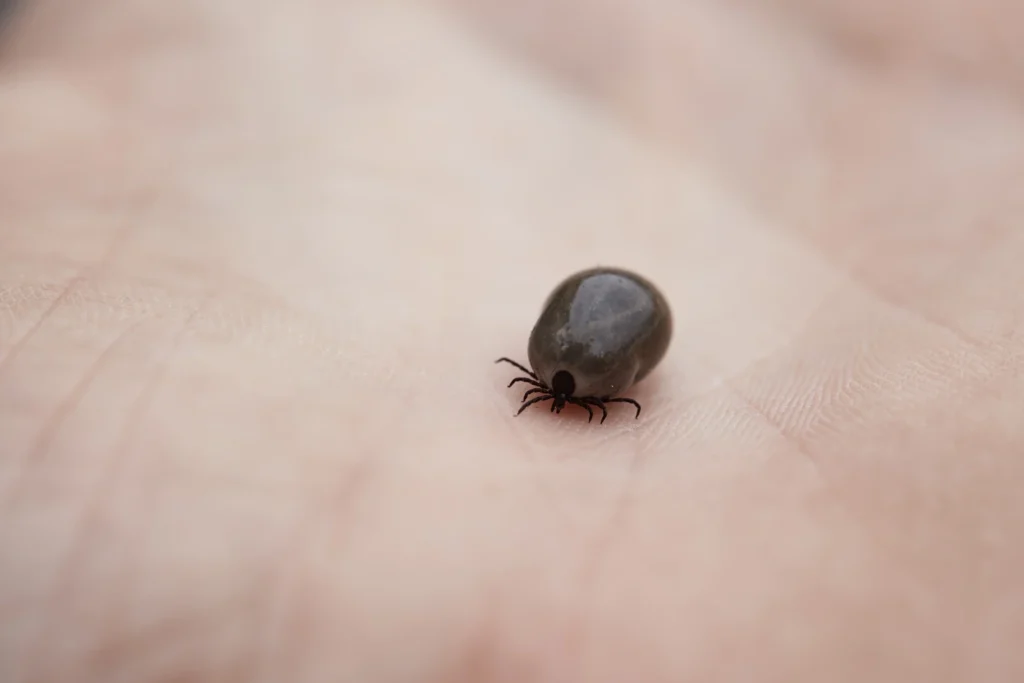
Ticks pose threats to both humans and pets. Specifically, they carry a variety of diseases. These include but are not limited to Lyme disease, Powassan disease, Tularemia, Babesiosis, and Anaplasmosis. In the towns where our customers live, tick-borne diseases are a common concern. Our professionals focus on reducing tick activity around your property to help limit encounters with ticks in the first place. Because exposure varies by species, life stage, season, habitat, and host activity, control should focus on reducing contact in high-use areas and likely harborage zones.
Where Ticks Are Commonly Found
Ticks live in grass, throughout gardens, and around the edges of woods. They prefer being near the ground in areas that are both shaded and wet. Areas where there is tall grass or low-hanging vegetation pose the biggest risk for tick bites. The insects wait on leaves, blades of grass, or stems and climb onto people or animals when a host brushes against the vegetation.
Effective Strategies for Preventing Tick Bites
In addition to our tick control services in Hawthorne, there are several things you can do to mitigate risks.
Prevention tips:
- Take advantage of tick repellent when spending time in wooded and grassy areas
- Tuck your pant legs into your socks to keep ticks from being able to crawl up your legs
- Watch out for vegetation that is moist or low-hanging
- Wear bright-colored clothing when you know you will be near areas where ticks tend to be so you can easily spot one if it is climbing on you
- Check for ticks and properly remove them as soon as possible
Keeping Your Pets Safe from Ticks
There are numerous ways you can help your pets from being bitten too. Using veterinarian-approved sprays, medications, or collars can decrease the likelihood a tick will bite your pet and transmit disease. It is also smart to fence an area on your property where your pet can play outdoors, while not wandering into areas where you know these insects likely are. Regardless of what measures you take, routinely check your pets for ticks, paying close attention to problem areas like those around their ears and paws.
Protect Your Family from Tick-Borne Diseases
Tick-borne diseases such as Lyme disease and Rocky Mountain spotted fever can pose serious health risks to your family and pets. It’s important to take proactive measures to protect your loved ones from these potential dangers. Our Hawthorne tick control experts focus on reducing tick activity in high-use outdoor areas and limiting the risk of bites.
By investing in professional tick control services, you can:
- Minimize the risk of tick bites for your family and pets
- Reduce the spread of tick-borne diseases
- Make outdoor areas more comfortable by reducing tick activity in targeted habitats
Identifying Westchester’s Most Common Tick Problems
Westchester properties may encounter blacklegged ticks, American dog ticks, and lone star ticks. A tick exterminator in Hawthorne should assess habitat, wildlife activity, pet-use areas, and seasonal pressure before selecting control measures. Nymphs are especially easy to miss, so a Westchester County tick control plan should prioritize shaded edges and ground-level vegetation where people or pets are likely to make contact.
Residential vs. Commercial Tick Solutions in NY
Residential tick control services in Hawthorne focus on family-use areas, pet routes, play zones, and yard edges. Commercial plans must also account for public access, landscaping crews, employee areas, scheduling, documentation, and repeat exposure across larger grounds. In both settings, inspection findings should determine treatment zones and prevention steps rather than routine blanket spraying.
Your Trusted Partner for Tick Control in Hawthorn
Our clients trust us for our professionalism, thorough approach, and proven results.
Stop Tick Activity – Schedule Tick Control Today
Do not wait for another tick bite. Call QualityPro at 914-712-6333 or use the online contact form to request tick control in Hawthorne today.